Keeping track of time
The calendar from Latin calendarium “account book,” from calendae/kalendae “the calends” the first day of the Roman month, when debts fell due and accounts were reckoned.
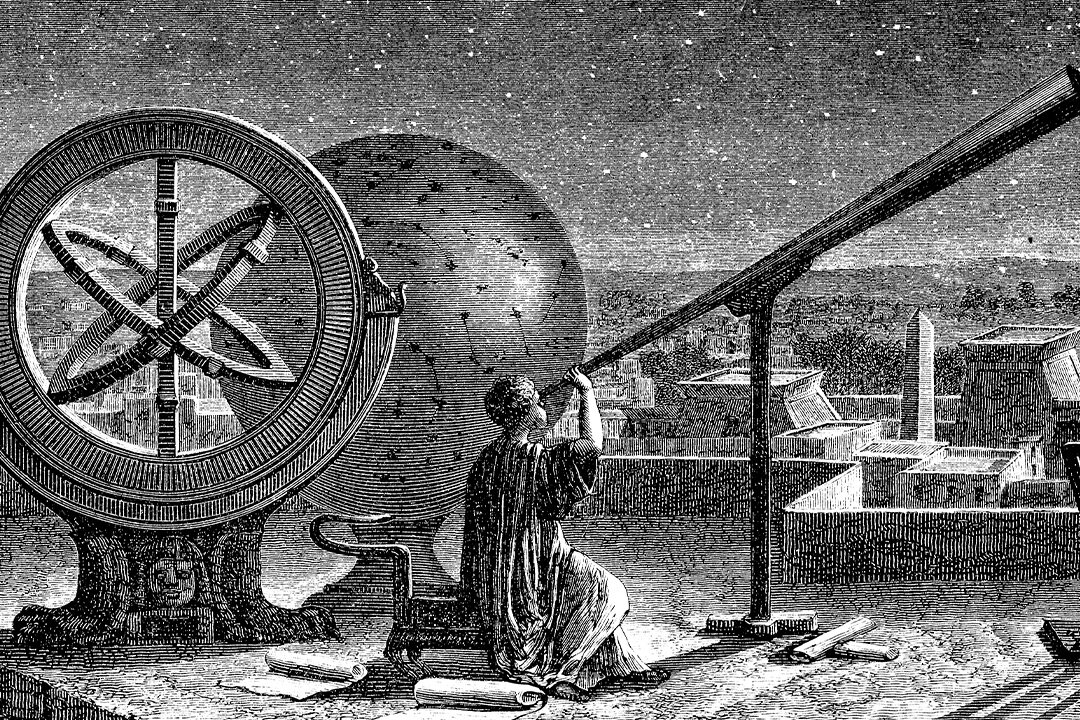
To understand what a calendar is we first need to know something about space and time. In our universe we have a perception that we are moving through time like we move physically through three dimensional space. Our minds record events in a linear form and for us it seems time can only flow in one direction. Starting at one of the smallest increments the second to a day a month and a year. We can record these events and in the past we used certain set events to make our world predictable.
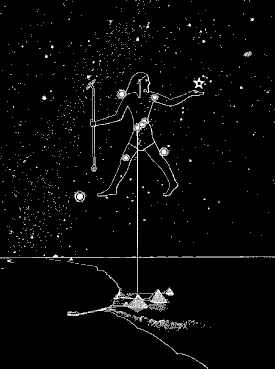
The oldest Egyptian calendars and probably even before that where records to keep track of where our moon and the stars where located and the ancient ones realised that certain patterns where cyclical. So for example the moon goes from a new moon to a full moon and back to a new moon in about 28 day’s
And the equinoxes mark certain day’s the sun would rise in the same place every year. So keeping track of certain natural events made it possible to plan their lives that centred around the Nile.
So when people started to settle down and the first civilisations started all over the world the calendar became even more important since it was a way for everyone in that culture to share common events. Here we make a difference between natural events like harvest time for example and time to worship deities or pay taxes.
Most of these non natural events where still linked to the natural events but their true origin became obscured. For example harvest season was the time when the people gave a part of their crop to the ruling class like kings and priests.
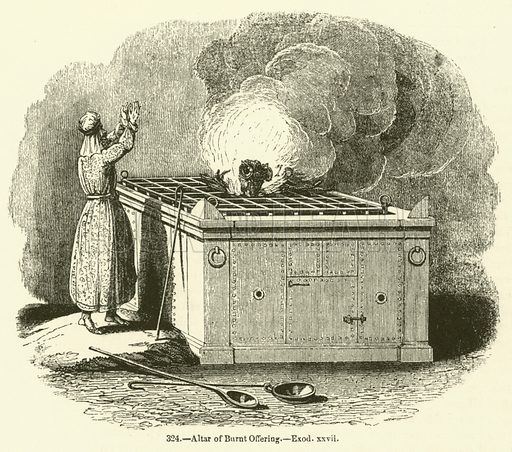
Ultimately there where different calendars in use like in ancient Greece and Rome where purely for record keeping and others for astronomical events. There came a sort of a disconnect from natural live in which people lived by law’s of nature to a live more geared around a state culture in which you live to the beat of the city state.
Ultimately most people don’t even know anymore about these older calendars and the most of these events where changed through western religion and is dominated by the Gregorian calendar.
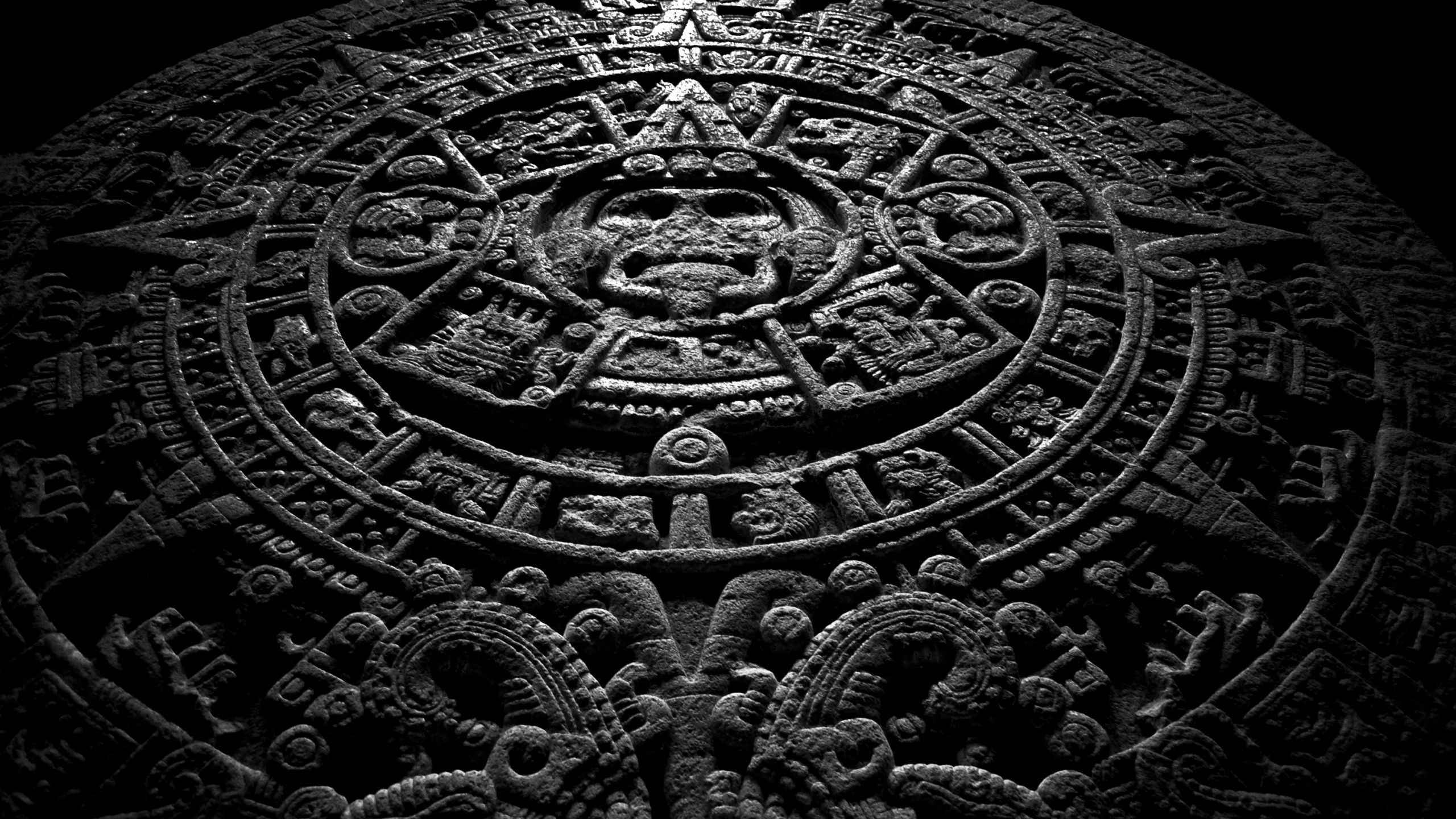
But of course there are many more calendars that have existed and are still being used. In Asia like Chinese lunar calendars for example. And in India and Tibet the history of these record keeping can go as far back as 5000 BCE. Also in Meso American cultures like the Aztec, Toltec and Maya cultures to name a few had very profound way’s of tracking their paths through time and space, same as many south and north American cultures. Finally we look at places like Oceania and Africa to come full circle we can only say that since there where humans we have been keeping track of time in one way or another.
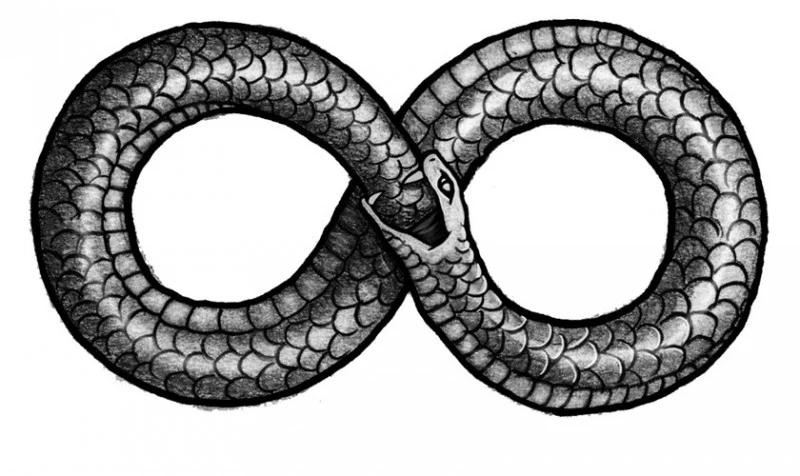
So what is this need for humans to categorise time in calendars why can’t we let the past be the past like all living creatures on this planet?
Is it purely a construct in our brains so to speak that we have the ability and urge to store our memories and think about past, present and future. If that is the case there must be a craving to remember over longer times where we have been and where we are going to as a whole humanity. I can only speak for myself that our past and history is a source what gives context to what we see happening now and in what direction history is going. To state a famous quote!
Those who do not learn history are doomed to repeat it.
philosopher George Santayana
If this is really the case remains to be seen but it is true that like in nature there seems to be repeating patterns in human history wether they are occurring naturally or are man made. One thing is for sure once we as a human race are gone either naturally or by our own hand so will our calendars and time keeping disappear only to be perhaps found by some later intelligent species that hopefully for them will not make the same mistakes a we have made!